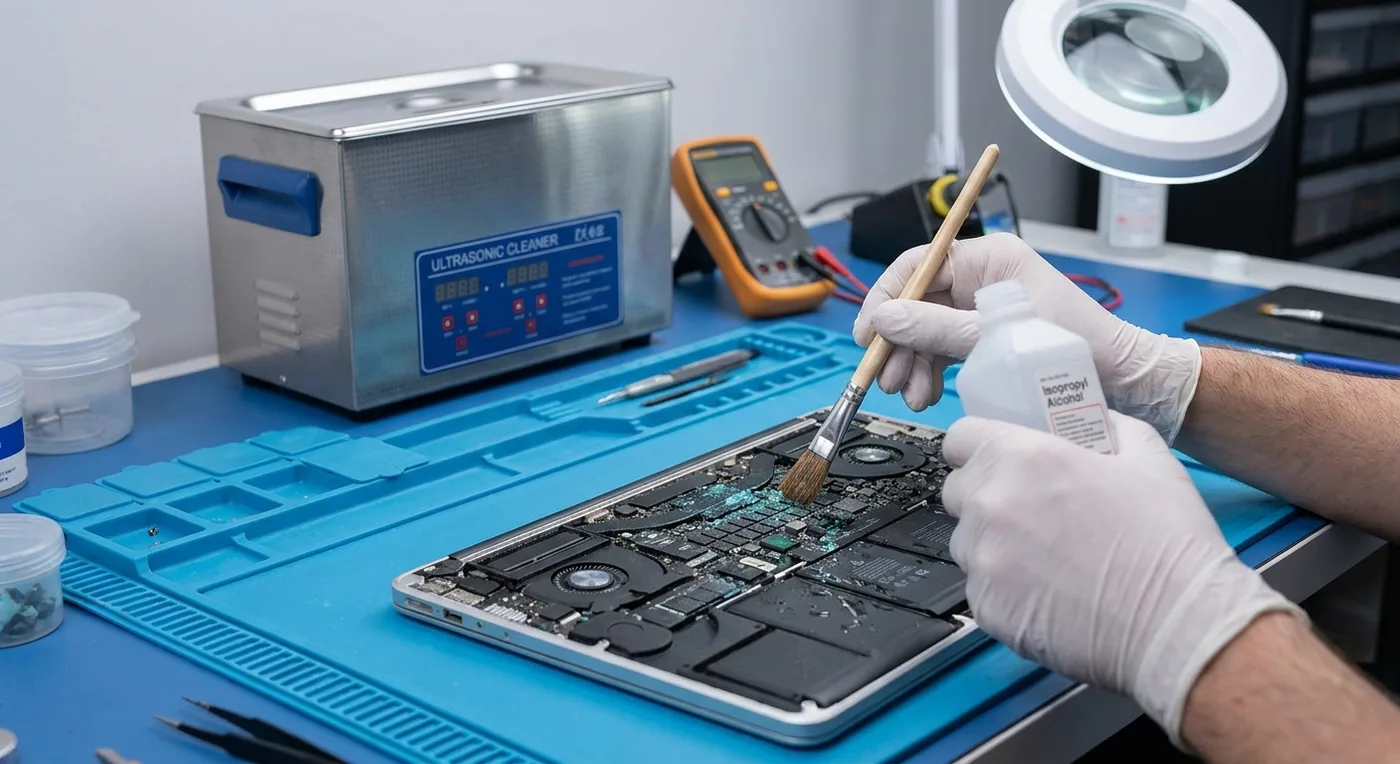
Innovative Engineering Design: Where Creativity Meets Precision

Innovative Engineering Design: Where Creativity Meets Precision
Engineering design stands at the intersection of imagination and technical mastery, where bold ideas are transformed into functional solutions. It is a discipline that demands both creative vision and meticulous precision, ensuring that innovations not only push boundaries but also operate reliably in the real world. From the sleek curves of a sports car to the intricate algorithms behind a self-driving vehicle, innovative engineering design is the driving force behind progress. This article explores how creativity and precision converge to shape the future of technology, infrastructure, and sustainability.
The Role of Creativity in Engineering
At its core, engineering is about solving problems, and creativity is the spark that ignites breakthrough solutions. Unlike traditional approaches that rely on incremental improvements, innovative engineering thrives on unconventional thinking. Engineers today draw inspiration from nature, art, and even science fiction to devise systems that were once deemed impossible. For instance, biomimicry—designing structures inspired by biological systems—has led to advancements like wind turbines modeled after whale fins for increased efficiency, and adhesive materials mimicking gecko feet for reusable, damage-free surfaces.
Moreover, creativity in engineering is not confined to product design. It extends to process innovation, where engineers reimagine workflows to enhance efficiency and sustainability. The development of 3D printing, for example, revolutionized manufacturing by enabling on-demand production, reducing waste, and allowing for complex geometries that traditional methods could not achieve. Such creative leaps often stem from interdisciplinary collaboration, where engineers work alongside artists, biologists, and computer scientists to fuse diverse perspectives into cohesive solutions.
The Necessity of Precision in Design
While creativity fuels innovation, precision ensures that these innovations are viable, safe, and scalable. Engineering precision encompasses accuracy in calculations, material selection, and manufacturing tolerances. A single miscalculation in structural engineering can lead to catastrophic failures, while imprecise measurements in microchip fabrication can render entire devices useless. Precision is particularly critical in fields like aerospace, where components must withstand extreme conditions, and in medical devices, where even micrometer deviations can affect patient outcomes.
Advancements in computational tools and simulation software have elevated the role of precision in engineering design. Computer-aided design (CAD) and finite element analysis (FEA) allow engineers to model and test designs virtually before physical prototypes are built, reducing errors and accelerating development cycles. Additionally, the rise of artificial intelligence (AI) and machine learning enables engineers to optimize designs by predicting performance under various conditions, ensuring that every element meets exacting standards.
Key Principles of Innovative Engineering Design
To achieve the delicate balance between creativity and precision, engineers adhere to several guiding principles:
- User-Centric Design: Innovative engineering begins with understanding the end-user’s needs. Whether designing a smartphone or a bridge, engineers must consider usability, ergonomics, and accessibility to create solutions that resonate with people.
- Sustainability: Modern engineering prioritizes eco-friendly materials and energy-efficient designs. From solar-powered innovations to biodegradable composites, sustainability is no longer an afterthought but a fundamental requirement.
- Iterative Prototyping: The design process is inherently iterative. Engineers create prototypes, test them rigorously, and refine them based on feedback. This cycle of prototyping and iteration ensures that the final product is both creative and precise.
- Interdisciplinary Collaboration: Tackling complex challenges often requires expertise from multiple fields. Engineers collaborate with scientists, designers, and policymakers to integrate diverse knowledge into holistic solutions.
- Resilience and Adaptability: Innovative designs must account for uncertainty and evolving conditions. Whether it’s climate change resilience in infrastructure or adaptive algorithms in software, engineers build systems that can withstand and adapt to change.
Real-World Examples of Innovative Engineering Design
Several groundbreaking projects exemplify the fusion of creativity and precision in engineering:
- The Burj Khalifa: The world’s tallest building is a testament to innovative structural engineering. Its design incorporates a buttressed core system, wind tunnel testing, and advanced materials to ensure stability against wind forces and seismic activity.
- Tesla’s Cybertruck: This electric pickup truck showcases radical exterior design paired with precision-engineered components. Its stainless-steel exoskeleton and adaptive air suspension highlight how bold aesthetics can coexist with functional innovation.
- The James Webb Space Telescope: Precision engineering reaches its pinnacle in space exploration. The Webb Telescope’s segmented mirror and sunshield required nanometer-level accuracy to unfold perfectly in the vacuum of space, enabling unprecedented astronomical discoveries.
- Vertical Farming Systems: Addressing food security challenges, vertical farms use hydroponics and AI-driven climate control to optimize crop growth in urban environments. The precision in nutrient delivery and lighting schedules ensures maximum yield with minimal resource use.
The Future of Engineering Design
As technology advances, the boundaries of engineering design continue to expand. Emerging trends such as generative design—where AI generates multiple design options based on constraints—are redefining creativity in the field. Meanwhile, precision is being enhanced by quantum computing and nanotechnology, enabling engineers to manipulate materials at the atomic level. The integration of digital twins—virtual replicas of physical systems—allows for real-time monitoring and optimization, further bridging the gap between imagination and execution.
Sustainability will remain a driving force, with engineers increasingly focused on circular economy principles, where products are designed for reuse, repair, and recycling. Additionally, the rise of smart cities and IoT (Internet of Things) will demand engineering solutions that are not only precise but also interconnected and adaptive.
Conclusion
Innovative engineering design is a dynamic interplay between creativity and precision, where the boundaries of what is possible are constantly redefined. It is a field that celebrates bold ideas while upholding rigorous standards, ensuring that every innovation is both groundbreaking and reliable. As engineers continue to push the limits of technology and sustainability, the future of design will be shaped by those who can seamlessly merge imagination with meticulous execution. For aspiring engineers and seasoned professionals alike, the journey of innovation is one of continuous learning, collaboration, and relentless pursuit of excellence.