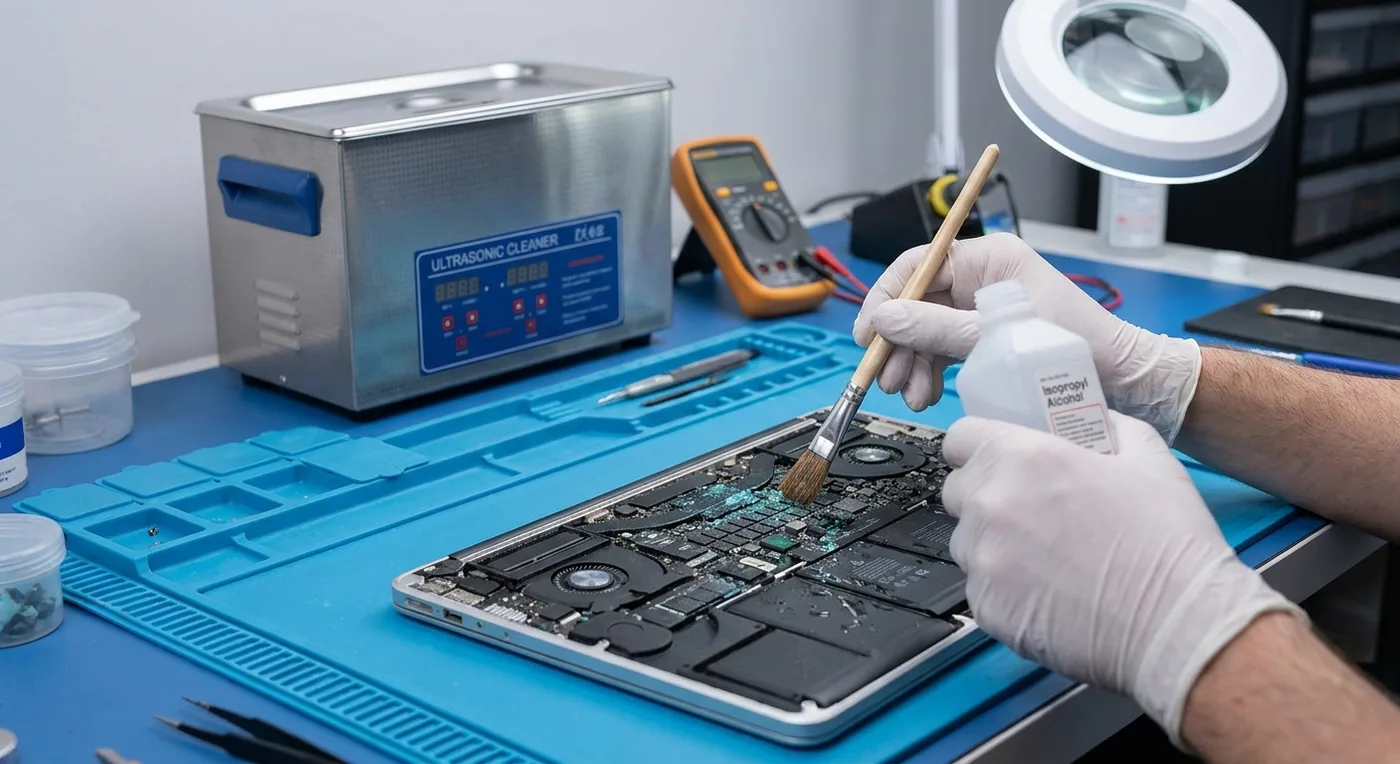
Revive, Recharge, Reuse: The Art of Gadget Repair

Introduction & Background
In today’s fast-paced digital age, electronic gadgets have become indispensable to daily life. From smartphones and laptops to smartwatches and gaming consoles, these devices power our work, communication, and entertainment. However, with rapid technological advancement comes a growing problem: electronic waste. Every year, millions of tons of e-waste end up in landfills, contributing to environmental pollution and resource depletion. Repairing and reusing gadgets offers a sustainable alternative, reducing waste and extending the lifespan of our devices. Embracing the art of gadget repair not only saves money but also supports eco-friendly practices and fosters a culture of responsibility toward technology consumption.
Concept & Overview
Gadget repair refers to the process of diagnosing, fixing, and restoring electronic devices to full functionality instead of discarding them at the first sign of malfunction. This practice is rooted in the principles of sustainability, resourcefulness, and cost-efficiency. By repairing a device, users can avoid the high costs associated with buying new products and minimize their environmental footprint. The concept also aligns with the circular economy model, where products are reused, repaired, and recycled rather than discarded. Whether it’s replacing a cracked smartphone screen, upgrading a laptop’s battery, or troubleshooting a malfunctioning circuit, repair empowers individuals to take control of their technology’s lifecycle.
Key Features & Highlights
- Cost-Effectiveness: Repairing a gadget is often significantly cheaper than purchasing a new one, especially for high-end devices like smartphones and laptops.
- Environmental Benefits: Extending the life of electronic devices reduces e-waste, lowers carbon emissions from manufacturing, and conserves valuable raw materials such as rare metals and plastics.
- Skill Development: Learning to repair gadgets enhances technical skills, fosters problem-solving abilities, and encourages a deeper understanding of how electronic devices function.
- Customization Opportunities: Repairing allows users to upgrade components, such as adding more storage or improving performance, tailoring the device to their specific needs.
- Community & Support: Repair cafes, online forums, and local technicians provide resources and guidance for those interested in fixing their own gadgets.
Frequently Asked Questions / Pros & Cons
What are the most common gadgets that can be repaired?
Most electronic gadgets can be repaired, but some are more feasible to fix than others. Smartphones, laptops, tablets, gaming consoles, and smartwatches are among the most commonly repaired devices. Issues like cracked screens, faulty batteries, broken charging ports, and overheating problems are frequently addressed through repair services or DIY methods.
Is repairing a gadget more cost-effective than buying a new one?
In many cases, yes. The cost of repairing a gadget depends on the issue and the device’s age. For example, replacing a smartphone screen can cost a fraction of a new phone, while repairing a laptop’s battery is far cheaper than buying a replacement device. However, if a gadget is very old or the repair cost exceeds 50% of the device’s value, buying new may be more practical.
What tools are essential for basic gadget repair?
A basic repair toolkit should include a precision screwdriver set, plastic pry tools, tweezers, a soldering iron (for advanced repairs), anti-static wristbands, and a magnifying glass. Additionally, having a multimeter for diagnosing electrical issues and a heat gun for removing adhesives can be helpful. Many repair kits are available commercially, or they can be assembled based on specific needs.
Can I repair a gadget if I have no technical experience?
Yes, many repairs are beginner-friendly with the right resources. Online tutorials, repair guides, and YouTube videos offer step-by-step instructions for common issues. Starting with simple fixes like replacing a phone screen or cleaning a laptop’s cooling fan can build confidence. Joining repair communities or attending workshops can also provide hands-on support for beginners.
What are the environmental benefits of repairing gadgets?
Repairing gadgets reduces electronic waste, conserves energy, and lowers the demand for new raw materials. Manufacturing new devices consumes significant amounts of water, fossil fuels, and minerals. By repairing and reusing gadgets, we decrease pollution, reduce greenhouse gas emissions, and help preserve natural resources for future generations.
Are there any downsides to gadget repair?
While repair has many benefits, there are potential drawbacks to consider. Some devices are not designed for easy repair, requiring specialized tools or proprietary parts that are difficult to source. Warranty issues may arise if a user attempts to repair a device themselves, potentially voiding the manufacturer’s coverage. Additionally, poorly executed repairs can cause further damage, leading to higher costs or rendering the device unusable.
Practical Guidance & Solutions
If you’re new to gadget repair, start with small, manageable projects to build your skills. Begin by cleaning dust from your laptop’s vents or replacing a phone’s battery, both of which require minimal tools and technical knowledge. For more complex repairs, research thoroughly using reputable sources like iFixit or manufacturer manuals. Always back up your data before attempting any repair to avoid data loss.
When sourcing replacement parts, purchase from trusted suppliers to ensure quality and compatibility. Local repair shops or certified technicians can provide professional services if DIY repair seems daunting. If your device is still under warranty, check the terms before attempting a repair to avoid voiding the coverage.
To extend the lifespan of your gadgets, practice good maintenance habits. Keep devices clean, avoid overcharging batteries, and store them in safe, dry environments. Regular software updates and proper handling also prevent common issues that lead to repair needs.
For those interested in learning more, consider attending repair workshops or joining online communities where experienced technicians share tips and advice. Supporting repair-friendly companies that design devices with replaceable parts encourages the industry to prioritize sustainability.
Conclusion
Reviving, recharging, and reusing gadgets through repair is more than a cost-saving measure. It represents a shift toward mindful consumption and environmental stewardship. By embracing the art of gadget repair, individuals can reduce e-waste, save money, and develop valuable technical skills. Whether you’re a beginner or an experienced tinkerer, every repair is a step toward a more sustainable future. As technology continues to evolve, the principles of repair and reuse will remain essential in preserving our planet and empowering communities. Start small, learn continuously, and join the movement to keep our gadgets, and the Earth, in great condition for years to come.