Gadget Fix: Reviving Tech Troubles with Creative Hacks

Gadget Fix: Reviving Tech Troubles with Creative Hacks
In a world where technology is woven into the fabric of daily life, even the smallest gadget glitch can feel like a major disruption. Whether it’s a smartphone battery draining faster than expected, a laptop overheating during crucial work, or a smartwatch refusing to sync, tech troubles can stall productivity and drain patience. Luckily, many common gadget issues can be resolved—or at least alleviated—with a bit of creativity and resourcefulness. Instead of immediately rushing to buy a replacement or shelling out for costly repairs, consider these ingenious hacks to breathe new life into your devices. These solutions not only save money but also promote sustainability by reducing electronic waste.
Common Gadget Problems and Quick Fixes
Before diving into advanced troubleshooting, it’s helpful to identify the root cause of your gadget’s woes. Often, minor issues stem from software bugs, accumulated dust, or battery wear. Here are some of the most frequent problems users encounter and simple ways to address them:
- Overheating: Laptops and smartphones generate heat during heavy usage, which can lead to performance throttling or even permanent damage. Ensure proper ventilation by using your device on a hard, flat surface and cleaning the vents regularly. For stubborn cases, a cooling pad or a simple DIY setup with a USB fan can work wonders.
- Slow Performance: Over time, devices accumulate unnecessary files, background apps, and cache data. Running a disk cleanup, uninstalling unused programs, and disabling startup apps can significantly boost speed. On smartphones, clearing the cache partition or resetting app preferences often restores responsiveness.
- Battery Drain: If your device’s battery life is plummeting faster than expected, start by checking battery usage stats to identify power-hungry apps. Reducing screen brightness, disabling GPS and Bluetooth when not in use, and enabling battery saver mode can extend usage time. For older batteries, a replacement may be inevitable, but these steps can prolong their lifespan.
- Charging Issues: A device that won’t charge properly can be frustrating. Before assuming the worst, inspect the charging cable and port for lint or corrosion. Gently cleaning the port with a dry toothbrush or compressed air can restore connectivity. If the issue persists, try a different cable or charger to rule out faulty hardware.
- Wi-Fi or Bluetooth Connectivity Problems: Weak or unstable connections often stem from interference or outdated software. Restarting your router, toggling airplane mode, or forgetting and re-pairing devices can refresh the connection. Updating your device’s firmware may also resolve compatibility issues.
DIY Gadget Repairs: Tools and Techniques
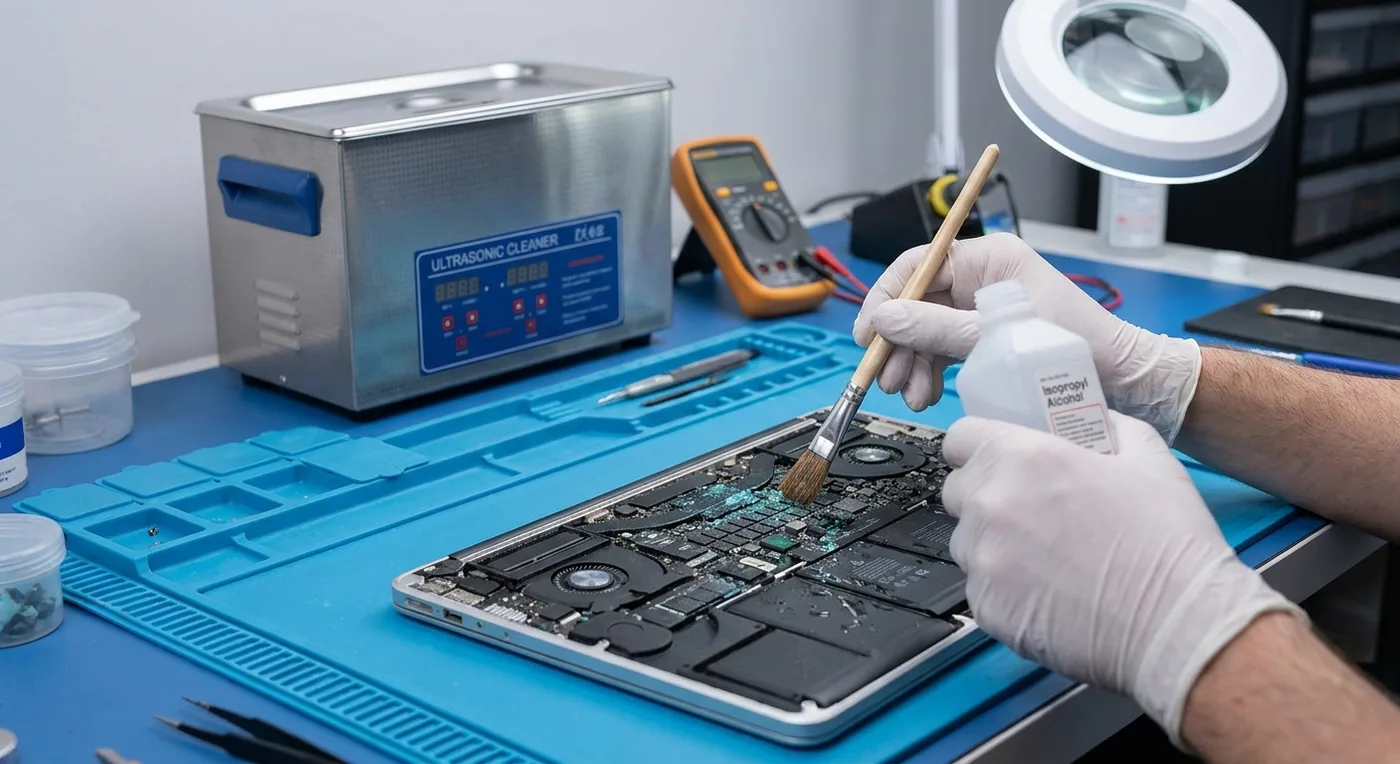
While some repairs require professional expertise, many common gadget issues can be tackled at home with the right tools and a little patience. Investing in a basic toolkit can empower you to fix minor problems without the hassle of shipping devices or waiting for repairs. Essential tools include:
- A set of precision screwdrivers (often magnetic-tipped for easy handling)
- A plastic pry tool or spudger to safely open device casings
- Tweezers for handling small components
- Isopropyl alcohol and a lint-free cloth for cleaning
- Thermal paste for reapplying on overheating processors
When attempting DIY repairs, always start by powering off and unplugging the device. Take photos or notes during disassembly to ensure you can reassemble it correctly. Online tutorials and repair guides specific to your device model can provide step-by-step instructions. For example, replacing a smartphone battery or cleaning a laptop fan are well-documented processes that many users successfully complete in under an hour.
Creative Hacks for Stubborn Gadgets
Not all tech troubles have straightforward solutions, but creativity can often bridge the gap. For instance, if your smartphone’s charging port is damaged beyond repair, a wireless charging pad can bypass the issue entirely. Similarly, if a laptop’s trackpad becomes unresponsive, an external USB mouse can serve as a temporary workaround. These hacks not only provide immediate relief but also highlight the versatility of modern gadgets.
Another innovative approach involves repurposing old devices. An outdated smartphone can be transformed into a dedicated media player, a security camera, or even a retro gaming console with the right apps. Tablets with dead batteries can be used as digital photo frames or e-readers. By thinking outside the box, you can extend the functional lifespan of your gadgets and reduce clutter.
Preventive Maintenance: Keeping Gadgets Healthy Longer
While creative fixes are invaluable, prevention is always better than cure. Adopting a few simple habits can drastically reduce the frequency of tech troubles. Regularly updating your device’s software ensures you benefit from the latest security patches and performance improvements. Investing in a surge protector can safeguard against power surges that damage sensitive electronics. Using a protective case and screen guard can prevent physical damage, especially for smartphones and tablets.
Battery care is particularly crucial. Avoid exposing devices to extreme temperatures, as heat and cold can degrade battery health. If you plan to store a device for an extended period, aim to keep the battery level around 50% to prevent deep discharge. For laptops, removing the battery when plugged in for long periods can reduce unnecessary strain.
The Environmental and Financial Benefits of DIY Gadget Care
Beyond the immediate satisfaction of fixing a gadget, embracing DIY repairs and hacks contributes to broader environmental and financial benefits. The electronics industry is one of the largest contributors to e-waste, with millions of devices discarded annually. By repairing rather than replacing, you help reduce landfill waste and the demand for new raw materials. Additionally, the cost savings from DIY fixes can be substantial over time, allowing you to allocate funds toward other priorities.
Moreover, the skills gained from troubleshooting and repairing gadgets foster a deeper understanding of technology. This knowledge empowers users to make informed decisions about upgrades and purchases, ensuring they invest in devices that align with their needs and longevity expectations. In a culture of disposable technology, embracing repair culture is a small but meaningful step toward sustainability.
When to Seek Professional Help
While DIY solutions work wonders for many issues, some problems require professional attention. Signs that it’s time to consult an expert include persistent hardware failures, water damage, or issues related to the device’s internal components, such as the motherboard or screen. Attempting to repair complex issues without proper training can worsen the damage and void warranties. Specialized repair shops and authorized service centers have the tools and expertise to handle intricate problems safely.
Before heading to a professional, check if your device is still under warranty or if manufacturer support is available. Many companies offer repair services or replacement options for defective products, sometimes at no additional cost. Additionally, local repair cafes or community tech workshops can provide affordable assistance while promoting knowledge-sharing and collaboration.
Building a Sustainable Tech Future
The rise of planned obsolescence—where manufacturers design products with a limited lifespan—has made it increasingly challenging to keep gadgets functional for years. However, a growing movement of repair advocates, right-to-repair advocates, and eco-conscious consumers is pushing back. Laws like the European Union’s Right to Repair directive and initiatives by companies like Fairphone, which designs modular and repairable smartphones, are paving the way for more sustainable technology.
As consumers, we can support this movement by prioritizing repairable devices, demanding better warranty policies, and sharing our repair knowledge with others. Simple actions, such as buying secondhand gadgets or donating old devices for refurbishment, also contribute to a more circular economy. By adopting a mindset of repair and reuse, we not only save money but also play a role in shaping a tech industry that values longevity over disposability.
Final Thoughts
Technology is meant to simplify life, not complicate it. When gadgets falter, the solution doesn’t always lie in replacement—often, it’s found in creativity, resourcefulness, and a willingness to tinker. Whether it’s a quick software tweak, a DIY repair, or a clever workaround, these hacks can revive your tech troubles and restore functionality without breaking the bank. Embracing this approach not only benefits your wallet but also the planet, fostering a culture of sustainability in an era of rapid consumption.
So, the next time your gadget acts up, take a deep breath, grab your toolkit, and explore the possibilities. You might just discover that the most powerful tool in your tech troubleshooting arsenal is your own ingenuity.