Revive & Thrive: Unleashing the Hidden Potential of Gadget Repair

Revive & Thrive: Unleashing the Hidden Potential of Gadget Repair
In a world where technology evolves at lightning speed, the lifespan of our gadgets often feels fleeting. Smartphones, laptops, tablets, and even smart home devices become obsolete not because they stop working, but because newer models promise better performance. Yet, behind every dimmed screen, sluggish processor, or cracked casing lies an opportunity—one that the gadget repair industry is tapping into with remarkable precision. Repairing and refurbishing devices isn’t just about saving money; it’s about sustainability, empowerment, and unlocking hidden value in what we already own.
The Environmental Imperative: Repair Over Replace
Every year, millions of tons of electronic waste pile up in landfills, contributing to pollution and resource depletion. According to the Global E-waste Monitor, 53.6 million metric tons of e-waste were generated globally in 2019 alone. A significant portion of this waste could be avoided if more devices were repaired instead of discarded. By choosing repair services, consumers reduce their carbon footprint, conserve raw materials like rare earth metals, and lower energy consumption associated with manufacturing new products.
Moreover, repairing a gadget extends its lifecycle, which means fewer resources are spent on producing replacements. This circular approach not only benefits the environment but also supports a shift toward a more responsible consumer culture—one that values longevity and functionality over novelty.
Economic Empowerment Through Repair
The gadget repair industry is more than a service—it’s an economic engine. Local repair shops provide jobs, stimulate community growth, and offer affordable alternatives to high-priced brand services. For many small business owners, repair shops become lifelines, especially in areas where access to new devices is limited or expensive. By repairing rather than replacing, consumers save hundreds—or even thousands—of dollars over time, making technology more accessible across different income levels.
Additionally, the rise of repair cafes and DIY repair communities has democratized technical knowledge. Platforms like iFixit offer step-by-step guides, tools, and parts to empower users to fix their own devices. This not only builds self-reliance but also fosters innovation, as people learn to troubleshoot and modify their gadgets in ways previously unimagined.
The Technological Renaissance: Innovation in Repair
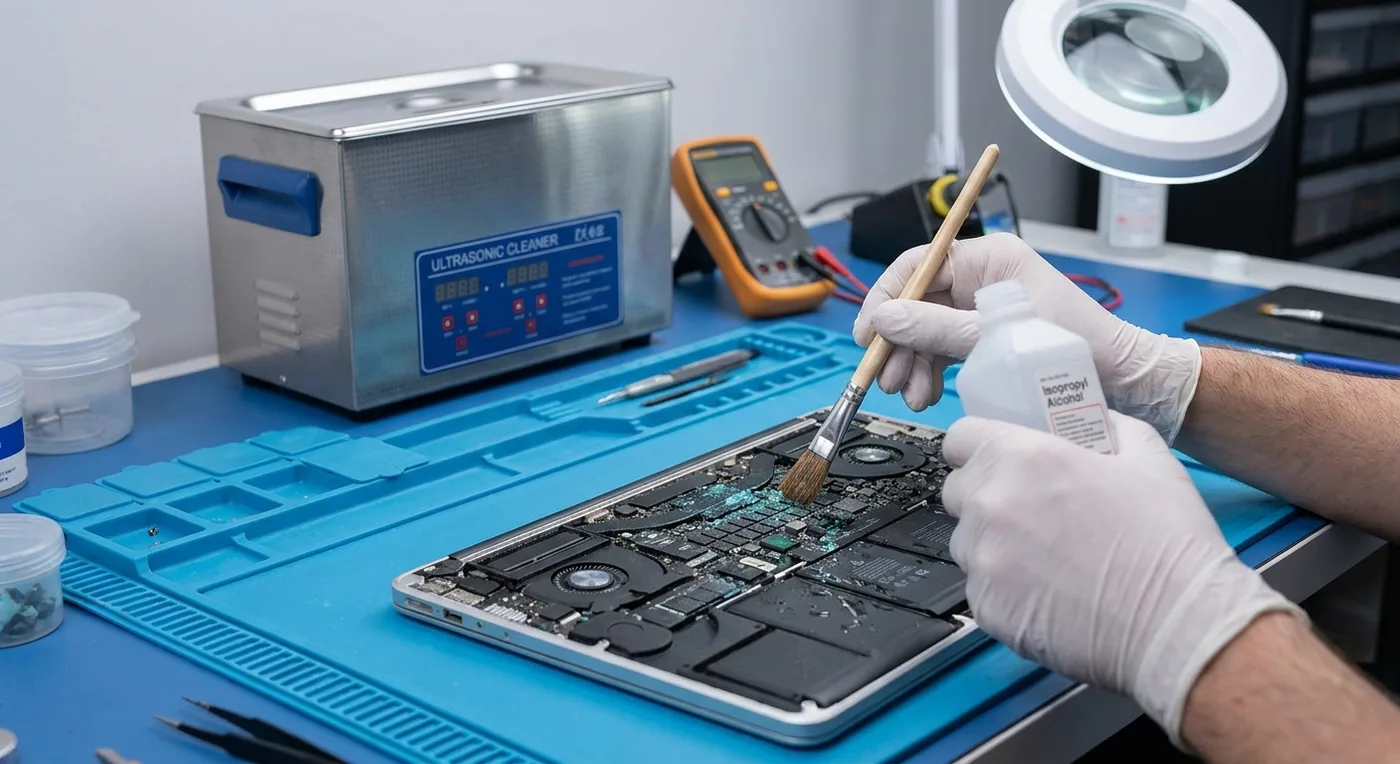
Gone are the days when repair meant a simple screen replacement. Today’s repair technicians are equipped with advanced diagnostic tools, precision instruments, and software solutions that rival original manufacturing processes. From micro-soldering on circuit boards to recovering lost data from corrupted drives, modern repair services are capable of reviving devices that were once considered beyond redemption.
Emerging technologies like artificial intelligence and machine learning are further transforming the repair landscape. Some companies now use AI-powered diagnostics to identify issues in seconds, reducing repair times and improving accuracy. Others are developing modular designs that make devices easier to upgrade and fix, aligning with the principles of repairability and sustainability championed by initiatives like the Right to Repair movement.
Consumer Trust and the Right to Repair
While the repair industry flourishes, it faces ongoing challenges—particularly from manufacturers who design devices to be difficult or impossible to repair. Proprietary parts, glued-in batteries, and restricted access to schematics are just a few barriers that hinder independent repair shops. However, the tide is turning. The Right to Repair movement, backed by advocacy groups and policymakers, is pushing for legislation that guarantees consumers and repair professionals access to necessary tools, parts, and information.
States and countries around the world are enacting laws that mandate repairability standards, such as requiring spare parts availability or standardized screw designs. These legal frameworks not only protect consumers but also level the playing field for repair businesses, ensuring they can compete fairly with original equipment manufacturers.
How to Make the Most of Gadget Repair
Whether you’re a tech enthusiast or a casual user, embracing repair culture can transform your relationship with technology. Here are some practical steps to get started:
- Choose certified repair shops: Look for technicians with experience and positive reviews. Certifications from manufacturers or repair associations ensure quality service.
- Opt for refurbished devices: Buying refurbished or repaired gadgets is a sustainable choice that supports the circular economy while offering near-new performance at a fraction of the cost.
- Learn basic repair skills: Websites like iFixit and YouTube tutorials can teach you how to replace a battery, clean a charging port, or install a new screen. Start with simple repairs and build confidence.
- Support repair-friendly brands: Some companies design their products with repair in mind. Brands like Framework, Fairphone, and Dell’s XPS line prioritize modularity and accessibility.
- Advocate for change: Join or support organizations like Repair.org or the Electronic Frontier Foundation to push for stronger right-to-repair laws in your region.
The Future Is Repairable
As we move toward a more sustainable and inclusive technological future, the repair industry stands at the forefront of change. It bridges the gap between innovation and responsibility, proving that progress doesn’t always mean constant replacement. By choosing to repair, we don’t just revive gadgets—we revive our connection to technology, our environment, and our communities.
So the next time your device slows down, your screen cracks, or your battery drains too quickly, consider repair not as a last resort, but as a first step toward a more thoughtful and resilient digital life. In doing so, you’re not just fixing a gadget—you’re investing in a smarter, greener, and more sustainable world.