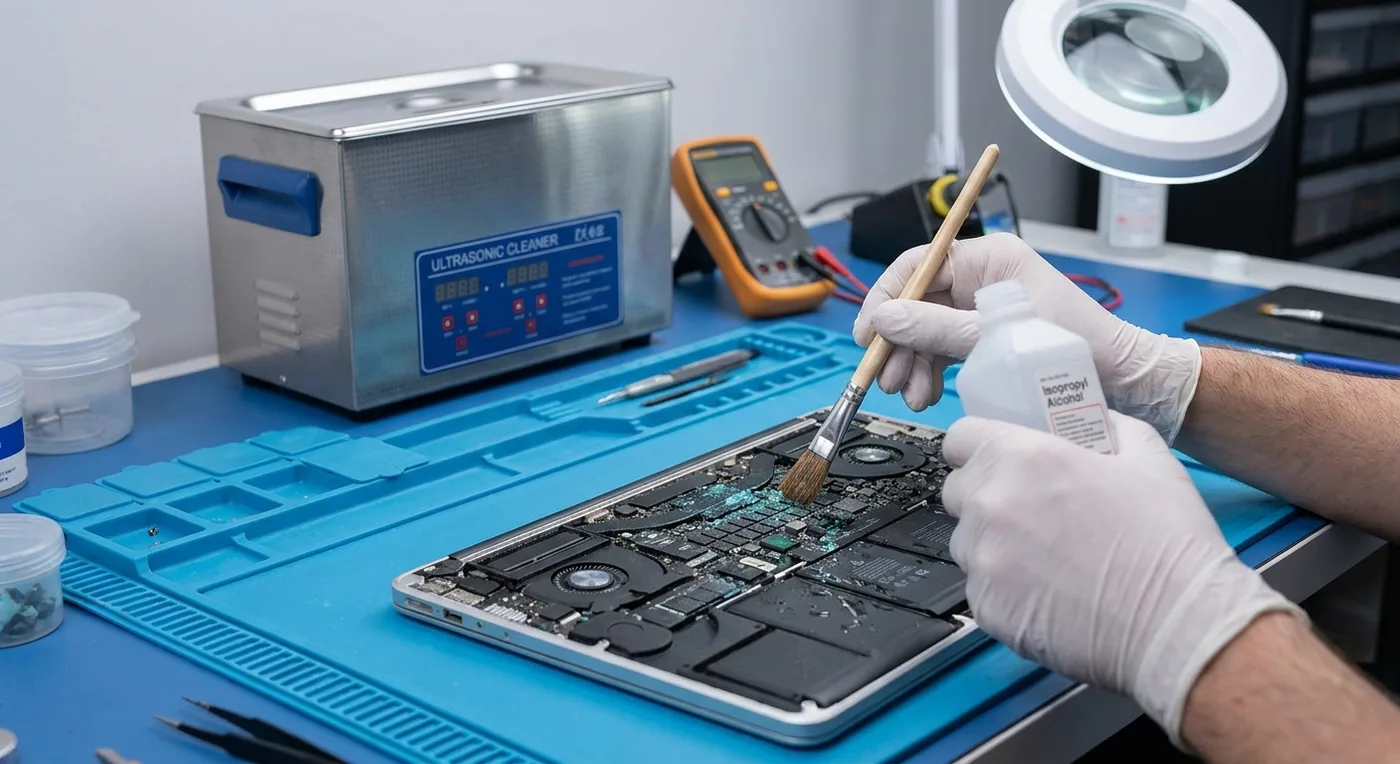
Top DIY Gadgets Fixes for Home Electronics

In the age of smart devices and complex home electronics, knowing how to handle a few basic repairs can save time, money, and frustration. While professional help is often necessary for intricate issues, many problems can be tackled with some DIY electronics repairs. Here’s a guide to home gadget troubleshooting that will empower you to address common issues yourself, and fix home electronics DIY with confidence.
Understanding Common Home Electronics Issues
Before diving into fixes, it’s essential to understand the common issues that home electronics may face. Recognizing these problems will help in applying the right top home electronics fixes effectively.
1. Power Failures
- Unresponsive Devices: One of the most frequent problems is a device that won’t turn on. This could be due to a faulty power supply, a dead battery, or loose connections.
- Tripped Circuit Breakers: If multiple devices are affected, a tripped circuit breaker might be the culprit.
2. Connectivity Issues
- Wi-Fi Problems: Intermittent or weak Wi-Fi signals can be a result of interference or router malfunctions.
- Peripheral Connections: Issues with connecting peripherals like printers or external drives often involve loose or damaged cables.
3. Display and Screen Issues
- Flickering Screens: Flickering or dim screens can be caused by loose connections or hardware failures.
- Distorted Images: Image distortion may indicate issues with the graphics card or screen itself.
Essential DIY Fixes for Home Electronics
Armed with some basic knowledge, you can tackle a range of issues with these DIY electronics repairs. Here are practical solutions for common problems:
1. Power Failures
- Check Power Sources: Ensure that all power cords are securely connected and that power outlets are functioning. For devices with removable batteries, try reseating or replacing the battery.
- Inspect Power Adapters: Faulty power adapters can prevent devices from turning on. Look for signs of damage and, if necessary, replace the adapter with a compatible one.
2. Connectivity Issues
- Restart Devices: Sometimes, simply restarting your router or the affected device can resolve connectivity issues. This can help refresh network connections and clear temporary glitches.
- Reset Network Settings: For persistent Wi-Fi problems, resetting your router’s network settings to factory defaults can help. Consult your router’s manual for instructions on performing this reset.
- Replace Cables: If peripheral devices aren’t connecting, check for frayed or damaged cables. Replacing these cables with new ones can restore proper functionality.
3. Display and Screen Issues
- Reconnect Cables: For flickering screens, ensure that all video cables are securely connected. Loose connections can often lead to display problems.
- Update Drivers: Outdated graphics drivers can cause display issues. Visit the manufacturer’s website to download and install the latest drivers for your graphics card.
- Adjust Display Settings: Sometimes, adjusting brightness and contrast settings can alleviate screen problems. Access the display settings through your device’s control panel or settings menu.
4. General Maintenance Tips
- Clean Your Devices: Dust and debris can cause overheating and other issues. Use a soft, dry cloth to clean the exterior and vents of your electronics. For internal cleaning, use compressed air to remove dust from sensitive components.
- Check for Software Updates: Outdated software can lead to malfunctions. Regularly check for and install updates for your operating system and applications to ensure optimal performance.
5. Fixing Audio Issues
- Check Audio Connections: Ensure that all audio cables are properly connected. Loose connections can result in poor sound quality or no sound at all.
- Update Audio Drivers: Like graphics drivers, audio drivers should be kept up-to-date. Visit the manufacturer’s website for the latest driver updates.
- Test with Different Speakers or Headphones: If you suspect an audio issue, test the device with different speakers or headphones to determine if the problem lies with the audio output device.
When to Seek Professional Help
While many issues can be resolved with home gadget troubleshooting, some problems may require professional assistance:
- Complex Repairs: If the problem involves internal hardware components that you’re uncomfortable handling, seek help from a professional technician.
- Warranty Concerns: For devices under warranty, attempting repairs yourself may void the warranty. Always check the warranty terms before making any modifications.
Conclusion
Mastering DIY electronics repairs can be incredibly rewarding and practical. By learning how to fix home electronics DIY, you’ll not only save on repair costs but also gain valuable skills for troubleshooting common issues. From addressing power failures to tackling display problems, these top home electronics fixes will help keep your devices in excellent working condition. Remember, while DIY fixes can solve many problems, don’t hesitate to seek professional help when needed to ensure your gadgets continue to perform at their best.